The leader is the brand.
How strategic content builds authority and trust on LinkedIn.
Type: Research.
Year: 2025
Topic: Personal Branding
↓
Industry: Retail
Year: 2024
Brand: John Lewis
↓
Industry: Retail
↓

The story.
The story.
What if the most powerful marketing tool a company has is its CEO?
Audiences stopped trusting titles. They started trusting people.
LinkedIn became where it all plays out. Yet despite how obvious that shift has become, academic research barely touched it.
So I went looking for the question nobody had answered: How do audiences respond when a leader shows up and starts talking directly to them?
That question is where this research begins.
What if the most powerful marketing tool a company has is its CEO?
Audiences stopped trusting titles. They started trusting people.
LinkedIn became where it all plays out. Yet despite how obvious that shift has become, academic research barely touched it.
So I went looking for the question nobody had answered: How do audiences respond when a leader shows up and starts talking directly to them?
That question is where this research begins.
The question.
The question.
Somewhere between a CEO's first LinkedIn post and their ten-thousandth follower, something important is happening. The question is what.
Most research asks whether personal branding works. This one asked something deeper: How does it work, through the eyes of the people consuming it?
Two questions drove everything:
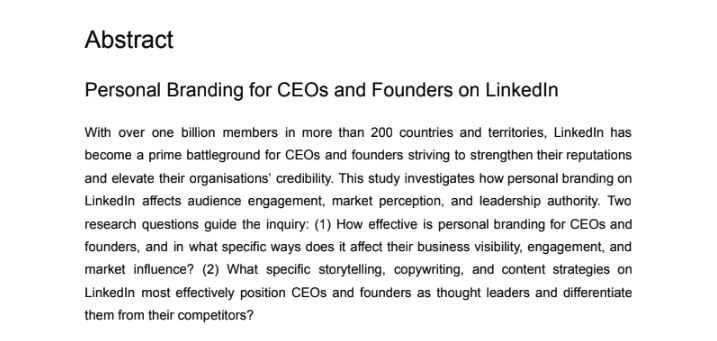
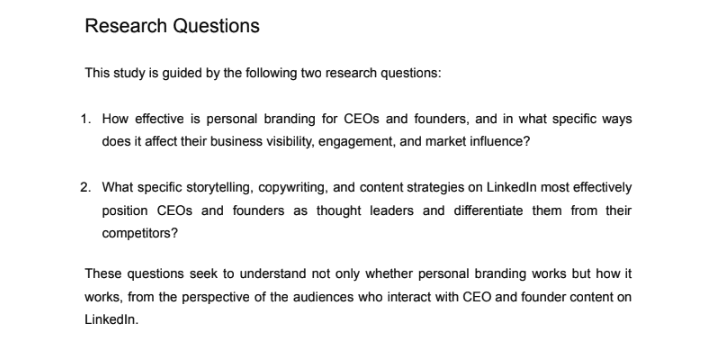
1. How effective is personal branding for CEOs and founders, and how does it shape visibility, engagement, and influence?
2. What storytelling and content strategies separate real thought leaders from the rest?
The rise of digital channels has fundamentally changed how audiences discover, engage with, and evaluate cultural institutions.
Heritage Malta historically relied on physical presence and traditional communications to connect with its audience.
Pre-pandemic, there was limited dedicated digital expertise. The pandemic accelerated change, prompting the organisation to invest in digital marketing professionals and social media platforms, marking a new chapter in its engagement strategy.
This project explored a simple, yet critical question:
How have digital technologies transformed audience behaviour and institutional relevance for Heritage Malta?
To answer this, a mixed-methods approach combined surveys, interviews, and platform analysis.
The aim was not only to collect data, but to find patterns in how audiences interact with heritage digitally, and how these patterns inform strategic decisions about communication, engagement, and long-term relevance.
Somewhere between a CEO's first LinkedIn post and their ten-thousandth follower, something important is happening. The question is what.
Most research asks whether personal branding works. This one asked something deeper: How does it work, through the eyes of the people consuming it?
Two questions drove everything:
1. How effective is personal branding for CEOs and founders, and how does it shape visibility, engagement, and influence?
2. What storytelling and content strategies separate real thought leaders from the rest?
The approach.
The approach.
The research was built around one belief: numbers don't explain human behaviour, people do.
So I went qualitative. 211 LinkedIn users surveyed, all actively engaging with CEO and founder content.
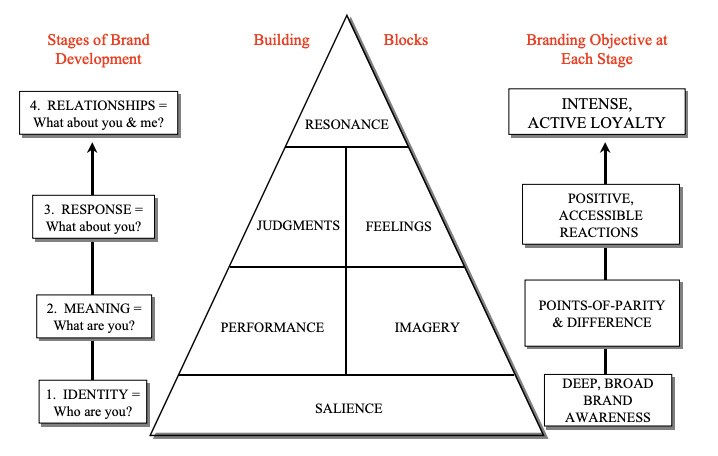
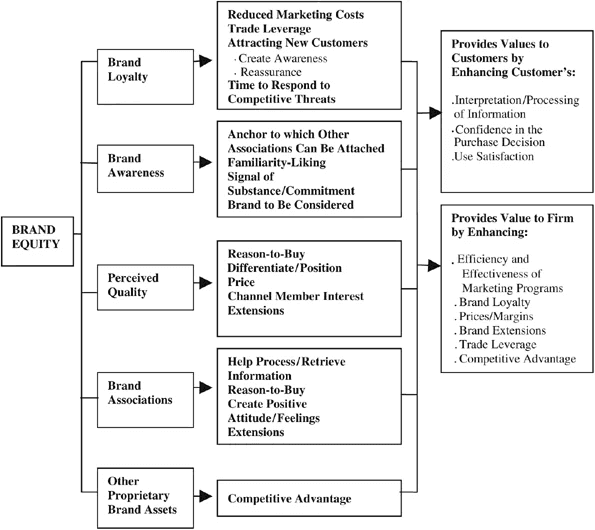
Open-ended questions, real perspectives, no pre-set answers. To make sense of it, I applied 8 branding, credibility, and content frameworks across three lenses:
Branding: Keller's CBBE & Aaker's Brand Equity
Credibility: Ohanian's Source Credibility & Elaboration Likelihood
Content: AIDA, PAS, Rampersad's Personal Branding & Social Identity Theory
Each one chosen to answer a different question about the same audience. Together, they built a complete picture.
The rise of digital channels has fundamentally changed how audiences discover, engage with, and evaluate cultural institutions.
Heritage Malta historically relied on physical presence and traditional communications to connect with its audience.
Pre-pandemic, there was limited dedicated digital expertise. The pandemic accelerated change, prompting the organisation to invest in digital marketing professionals and social media platforms, marking a new chapter in its engagement strategy.
This project explored a simple, yet critical question:
How have digital technologies transformed audience behaviour and institutional relevance for Heritage Malta?
To answer this, a mixed-methods approach combined surveys, interviews, and platform analysis.
The aim was not only to collect data, but to find patterns in how audiences interact with heritage digitally, and how these patterns inform strategic decisions about communication, engagement, and long-term relevance.
The research was built around one belief: numbers don't explain human behaviour, people do.
So I went qualitative. 211 LinkedIn users surveyed, all actively engaging with CEO and founder content.
Open-ended questions, real perspectives, no pre-set answers. To make sense of it, I applied 8 branding, credibility, and content frameworks across three lenses:
Branding: Keller's CBBE & Aaker's Brand Equity
Credibility: Ohanian's Source Credibility & Elaboration Likelihood
Content: AIDA, PAS, Rampersad's Personal Branding & Social Identity Theory
Each one chosen to answer a different question about the same audience. Together, they built a complete picture.
Keller's Customer-Based Brand Equity
Aaker's Brand Equity Model
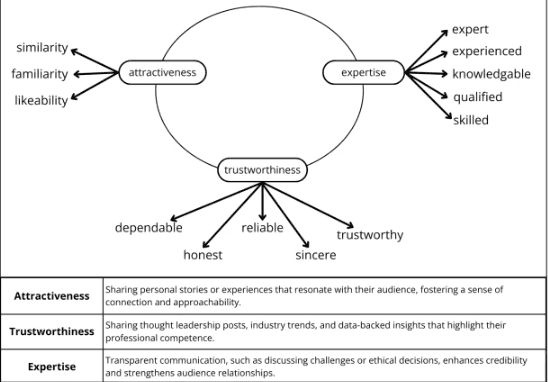
Ohanian Source Credibility Model
The realisation.
The realisation.
5 findings that changed how I think about personal branding.
| 85.2% said a CEO's LinkedIn presence shapes how they perceive the company.
The leader IS the brand. One honest founder post can do more than a full PR campaign.
| 69.5% engage most with personal stories.
Not company milestones. Not achievements. Stories of struggle, lessons, and lived experience. Audiences want a human, not a press release.
| 81.4% prefer image-based posts with text.
Visual content that doesn't redirect them elsewhere. The moment you ask the audience to leave the platform, you lose them.
| Authenticity beat every other trait.
More than strategy. More than production value. More than follower count. The leaders audiences respect aren't the loudest ones. They're the realest ones.
| 68.1% say personal branding is effective (when done right).
The other 31.9% say it's only somewhat effective. That gap is about the execution.
The rise of digital channels has fundamentally changed how audiences discover, engage with, and evaluate cultural institutions.
Heritage Malta historically relied on physical presence and traditional communications to connect with its audience.
Pre-pandemic, there was limited dedicated digital expertise. The pandemic accelerated change, prompting the organisation to invest in digital marketing professionals and social media platforms, marking a new chapter in its engagement strategy.
This project explored a simple, yet critical question:
How have digital technologies transformed audience behaviour and institutional relevance for Heritage Malta?
To answer this, a mixed-methods approach combined surveys, interviews, and platform analysis.
The aim was not only to collect data, but to find patterns in how audiences interact with heritage digitally, and how these patterns inform strategic decisions about communication, engagement, and long-term relevance.
5 findings that changed how I think about personal branding.
| 85.2% said a CEO's LinkedIn presence shapes how they perceive the company.
The leader IS the brand. One honest founder post can do more than a full PR campaign.
| 69.5% engage most with personal stories.
Not company milestones. Not achievements. Stories of struggle, lessons, and lived experience. Audiences want a human, not a press release.
| 81.4% prefer image-based posts with text.
Visual content that doesn't redirect them elsewhere. The moment you ask the audience to leave the platform, you lose them.
| Authenticity beat every other trait.
More than strategy. More than production value. More than follower count. The leaders audiences respect aren't the loudest ones. They're the realest ones.
| 68.1% say personal branding is effective (when done right).
The other 31.9% say it's only somewhat effective. That gap is about the execution.
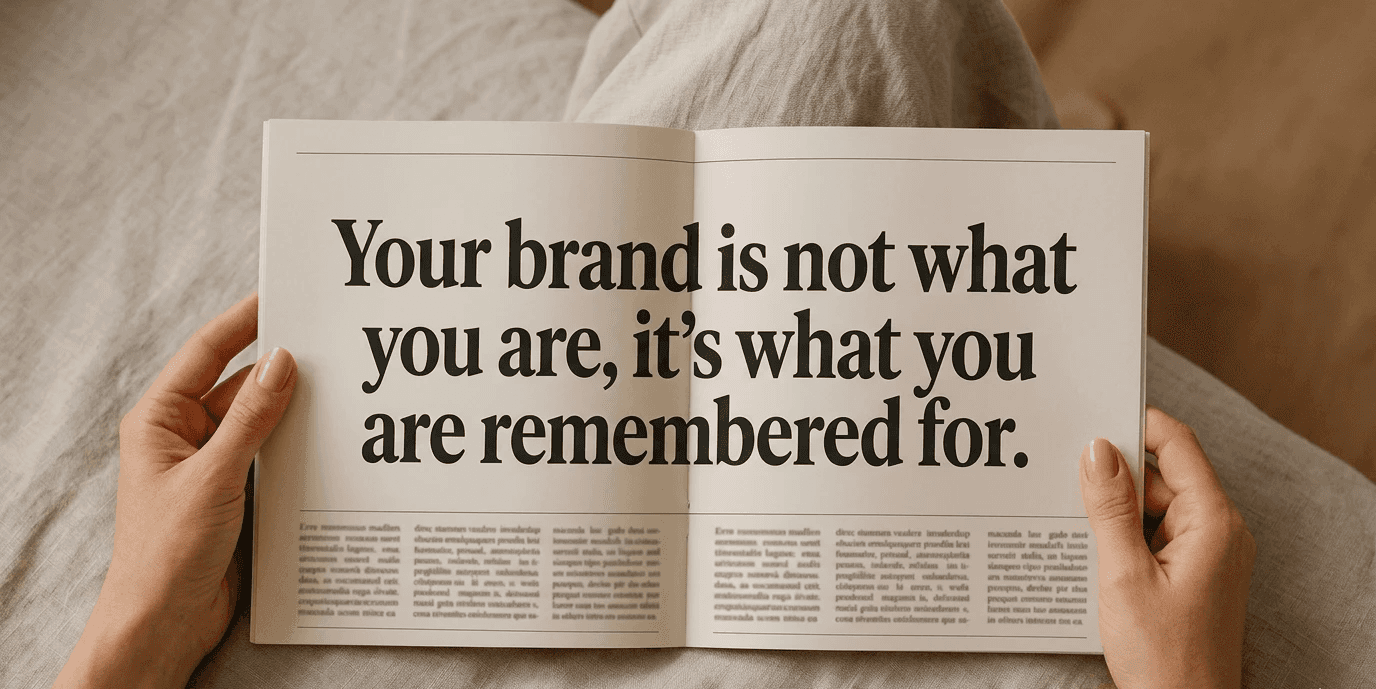
What you have read is roughly 40% of the entire research.
The remaining 60% covers the complete research, strategy breakdowns, and recommendations built specifically for leaders trying to build a brand that earns trust online.
PS: Some of these findings were covered by MaltaCEOs.mt, the country's leading platform for CEO and business leadership content.